
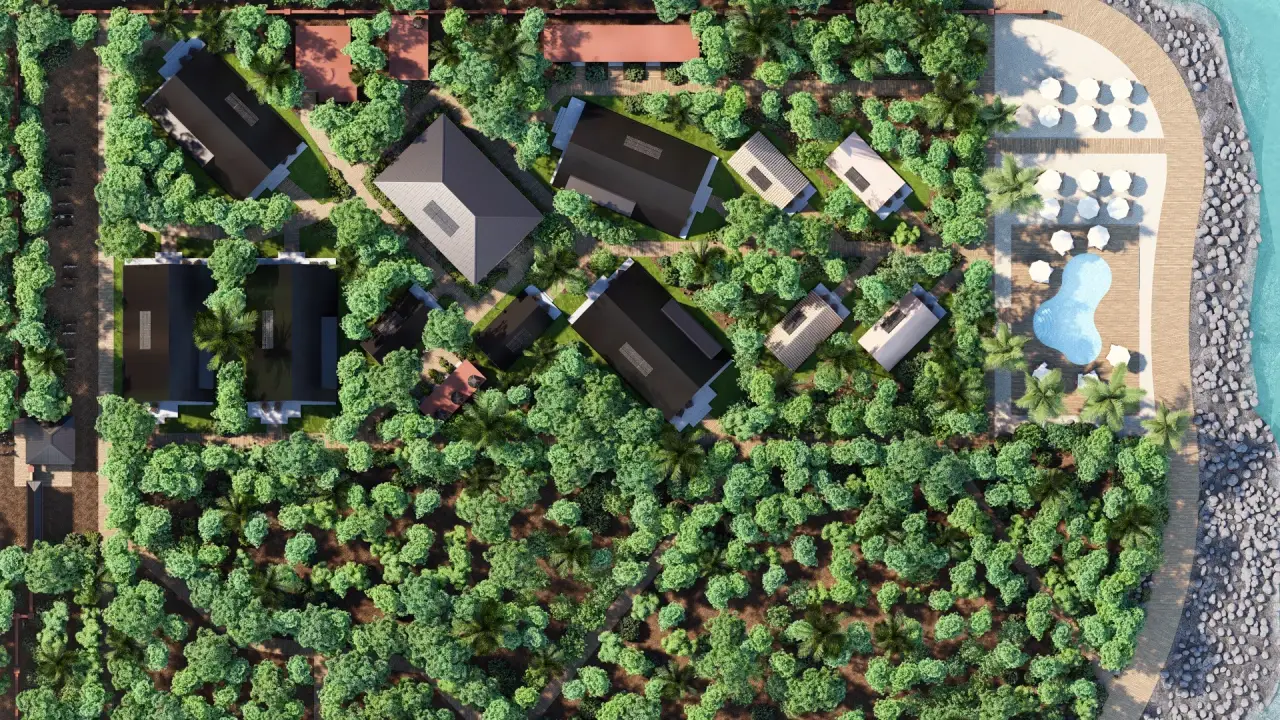

Eco-homes
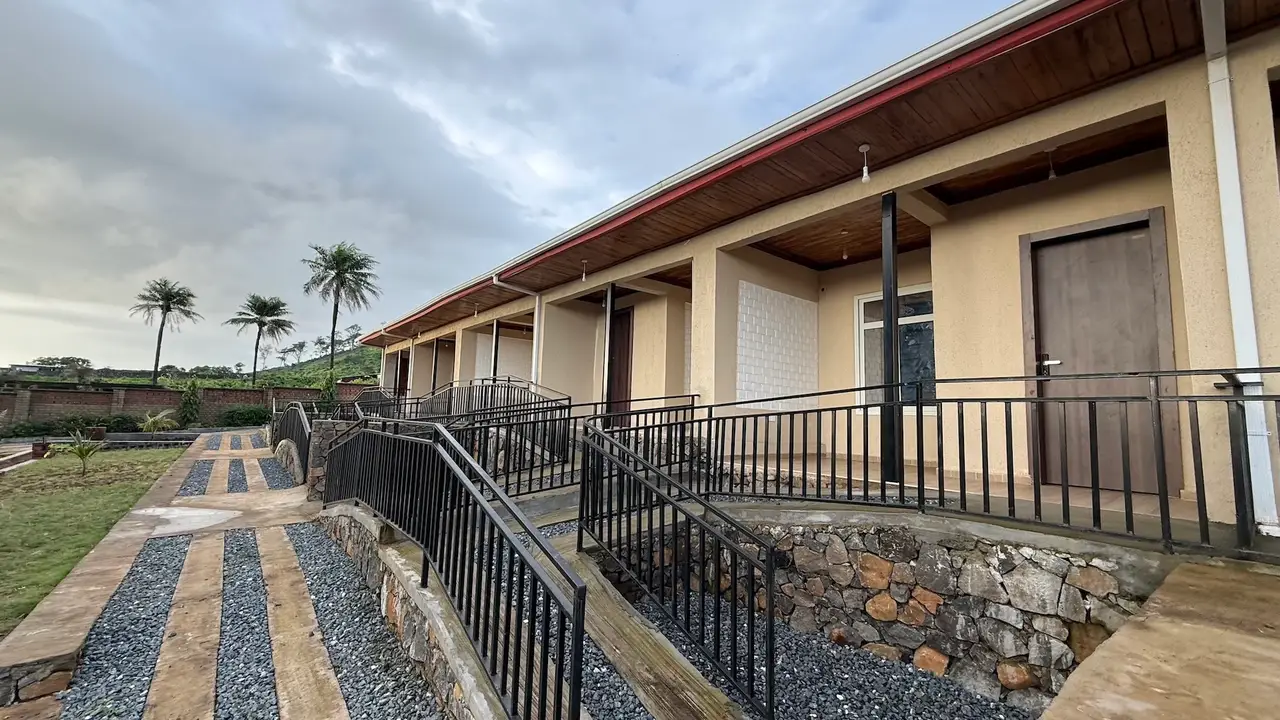
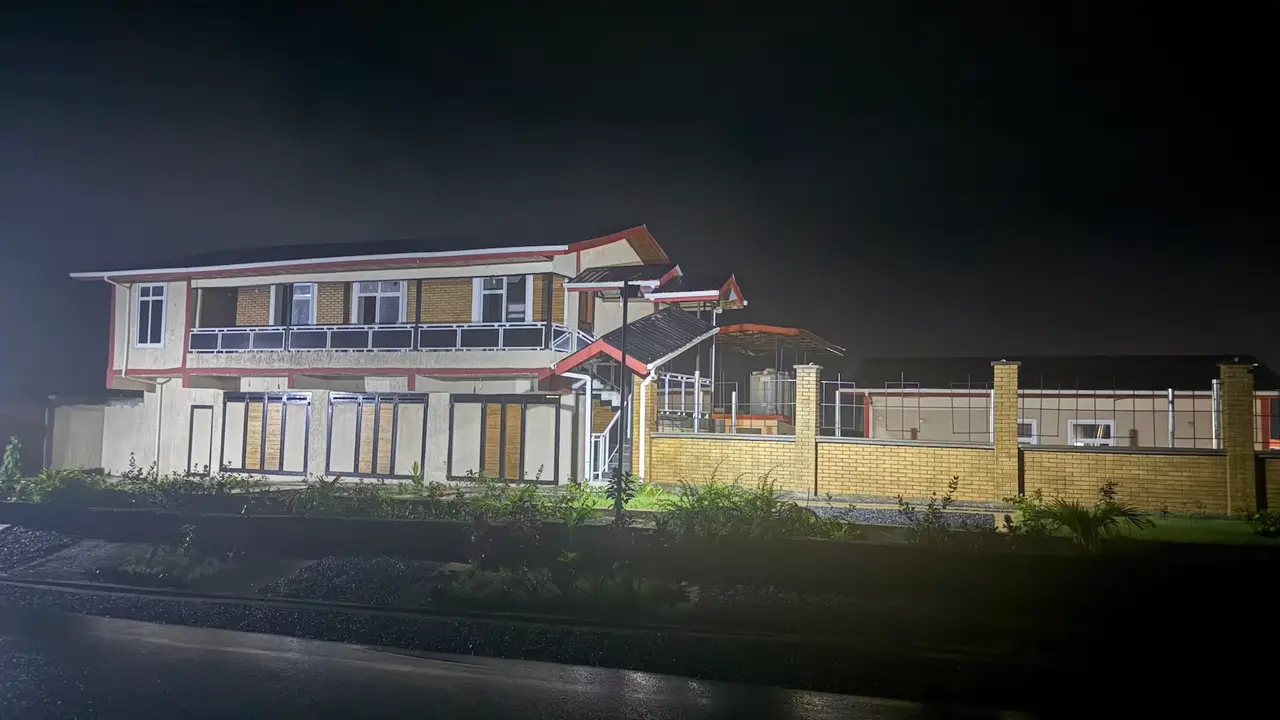
Homes built from interlocking stabilised soil blocks, with solar power and biodigester sanitation.
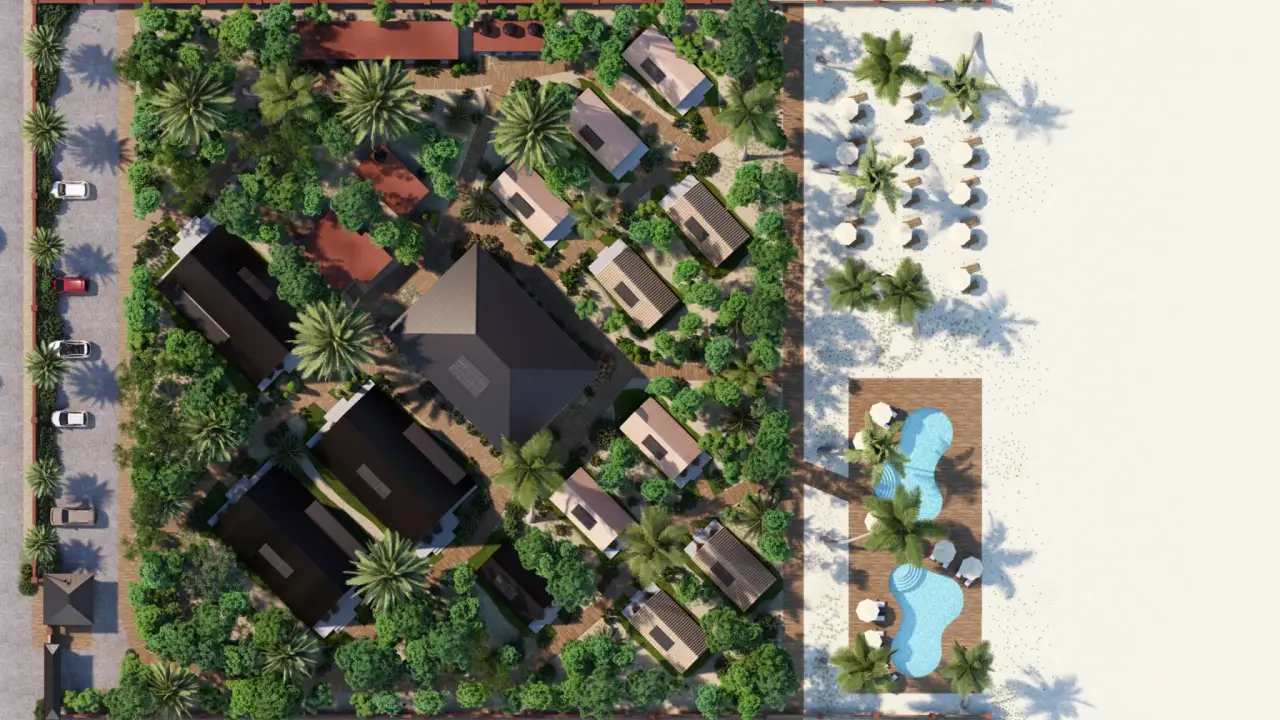
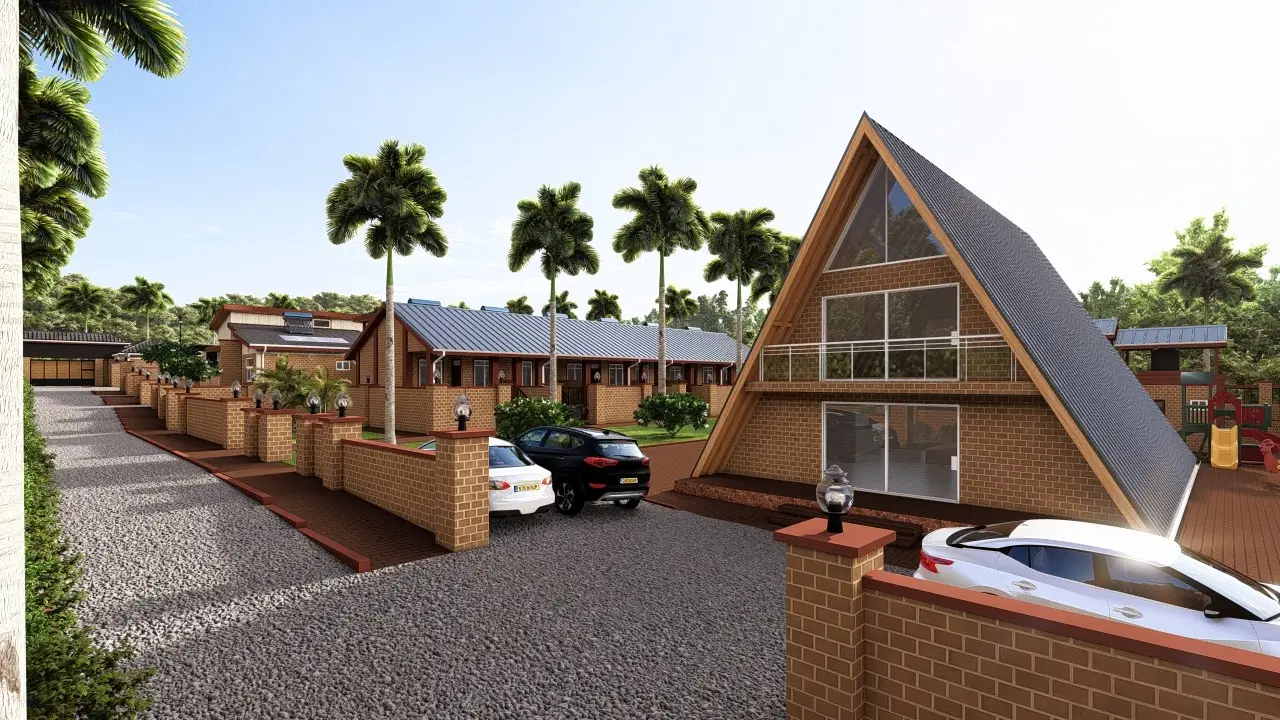 Artist's impression
A home in Sierra Leone you can trust, whether you live here or abroad
Diaspora buyers want a home they can follow and rely on from far away. Families here want a well-built, cooler home, and investors want a property that can earn. TpESTATE builds eco-homes for all three, from local soil, with solar power and its own sanitation.
Who it is for
Built from the soil under your feet, to a design you have agreed
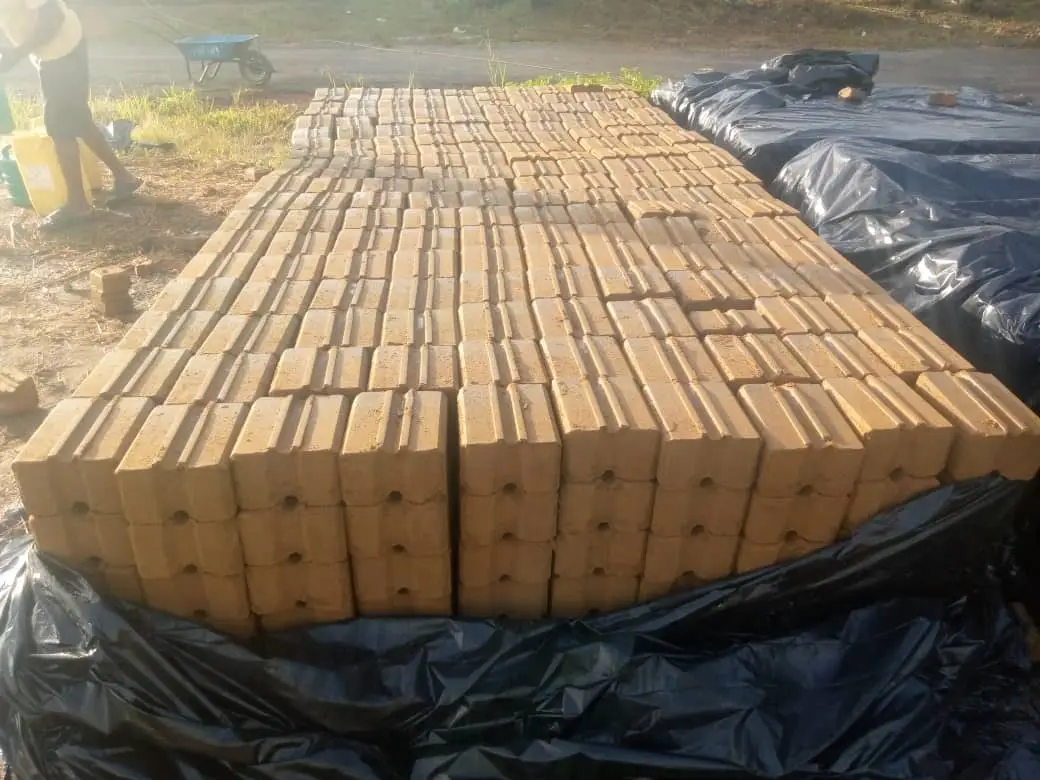
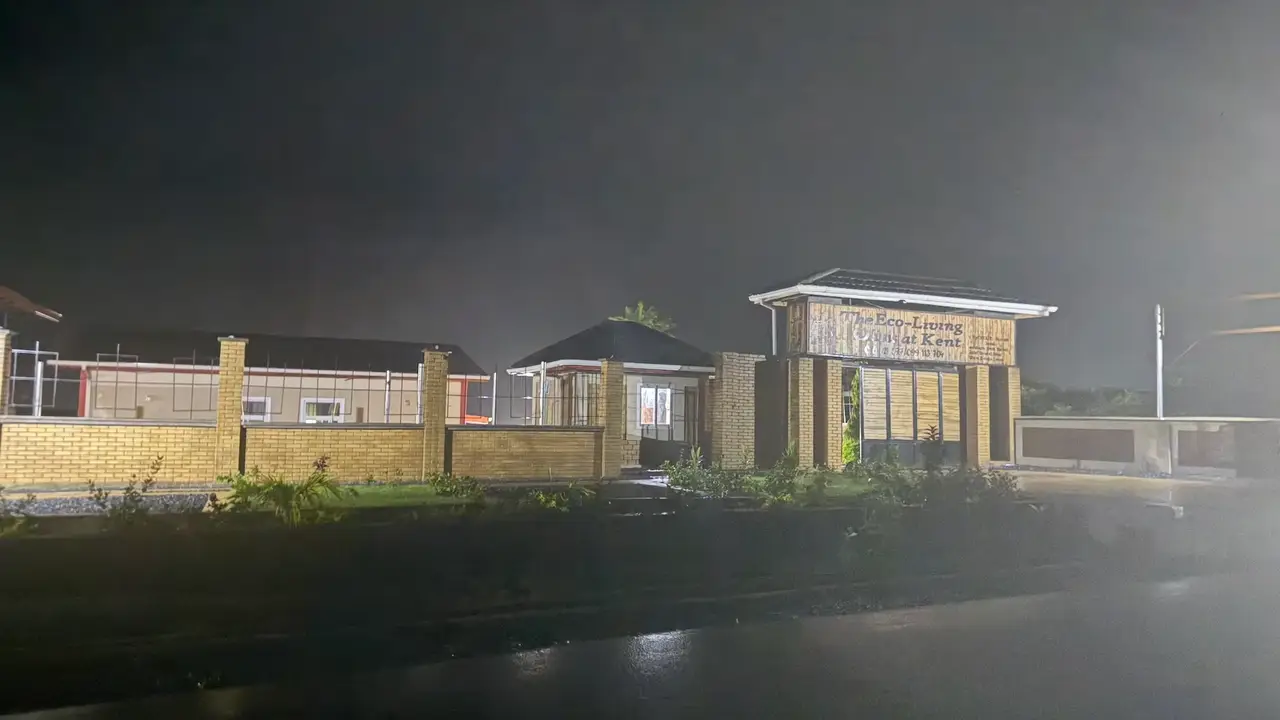
Walls are pressed on site from local soil with 8–10% cement and dry-stacked, with no kiln. TpESTATE sells before it builds: you choose a plot and a design, and the home is built exactly to that design and specification. The method is in use at Kent, where ground was broken in November 2021.
- Interlocking stabilised soil block walls, made by TpESTATE
- Deep shade, cross-ventilation and thick walls, so rooms stay comfortable without air-conditioning
- Solar power: at Kent, 5 kW for each home and 10 kW for the community
- Biodigester sanitation in place of septic tanks
- Doors, windows and most of the timber and furniture made by Sierra Leonean craftspeople
What you get
- Interlocking stabilised soil block walls
- Solar power and biodigester sanitation
- Five-year structural warranty
How it works
- 01Choose a home design and plot
- 02Agree the price and payment plan
- 03We build, hand over and stand behind it
Soil-block walls use far less cement than concrete blocks, and every home is designed for solar power.
Questions about Eco-homes
What is an eco-home?
A TpESTATE eco-home is a house built from interlocking stabilised soil blocks, with solar power and biodigester sanitation. The walls are pressed from local soil with 8–10% cement and dry-stacked. TpESTATE designs and builds them and sells them in its own estates.
Can I buy a home in Sierra Leone from the diaspora?
Yes. TpESTATE sells eco-homes to buyers abroad, and the Diaspora Investor Package is built for them: you buy an eco-home in a managed estate and Eco-Living Oasis can let it for you. Many buyers start with the Homecoming Tour or a visit to Kent.
Where are TpESTATE's estates?
TpESTATE has four estates in development: Kent, Mile-36, Gullah Paradise at Lungi and Dublin on Banana Island. Kent, the Eco-Living Oasis, opens officially on 14 November 2026.
Do soil-block homes stay cool?
They are designed to. Thick soil-block walls slow the movement of heat into the rooms, and TpESTATE's designs add deep shade and cross-ventilation. The aim is a home that stays comfortable without air-conditioning and when the power is out.
How is an eco-home powered and supplied with water?
Eco-homes are designed for solar power, and at Kent that means 5 kW for each home and 10 kW for the community, 85 kW in all. Water comes from local wells and a borehole. Kent is not carbon neutral: solar covers essential light loads below 100 W around the clock, and the generator runs for a combined maximum of 12 hours daily across two intervals, and becomes true backup when the national grid arrives.
How does the carbon footprint of a soil-block wall compare with brick?
Kent's walls come to about 54.5 kg of CO₂ per m³ of wall, against 642.9 kg for fired clay brick. They use 8–10% cement and no kiln or firing.
How can I see an eco-home before I decide?
Visit the Eco-Living Oasis at Kent, which opens officially on 14 November 2026, the same date as part of the Homecoming Tour. You can also call the TpGroup front desk on +232 76 617550 or use the contact form.